
Real estate has created enormous wealth for generations of investors. That doesn't make wealth through real estate automatic, but it helps explain why so many people view property ownership as a long-term wealth-building strategy.
The good news is that you don't necessarily need to start by purchasing a traditional investment property with a large down payment.
For some people, building a rental portfolio starts much more simply: with the home they buy for themselves.
That's actually how it started for me.
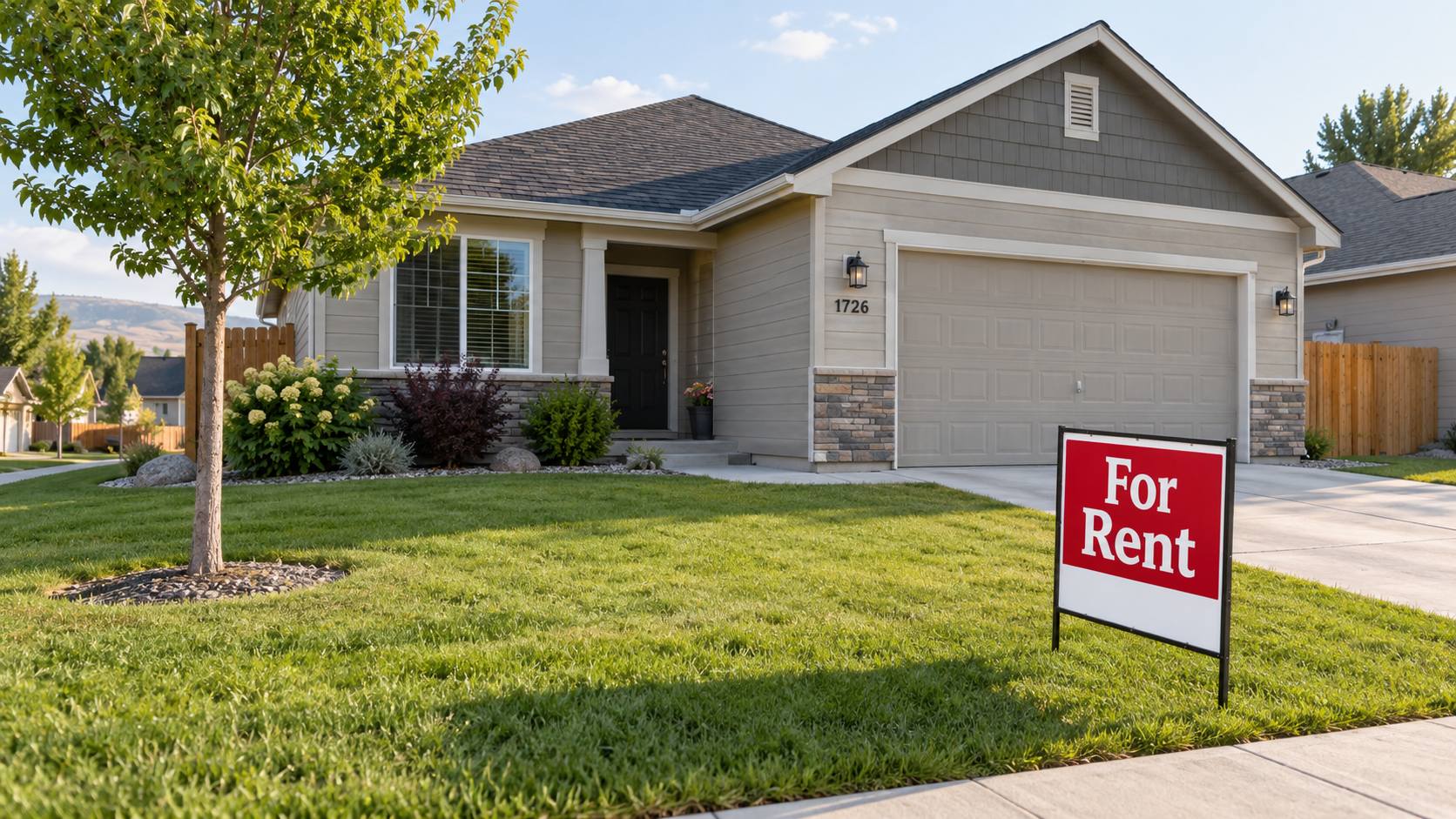
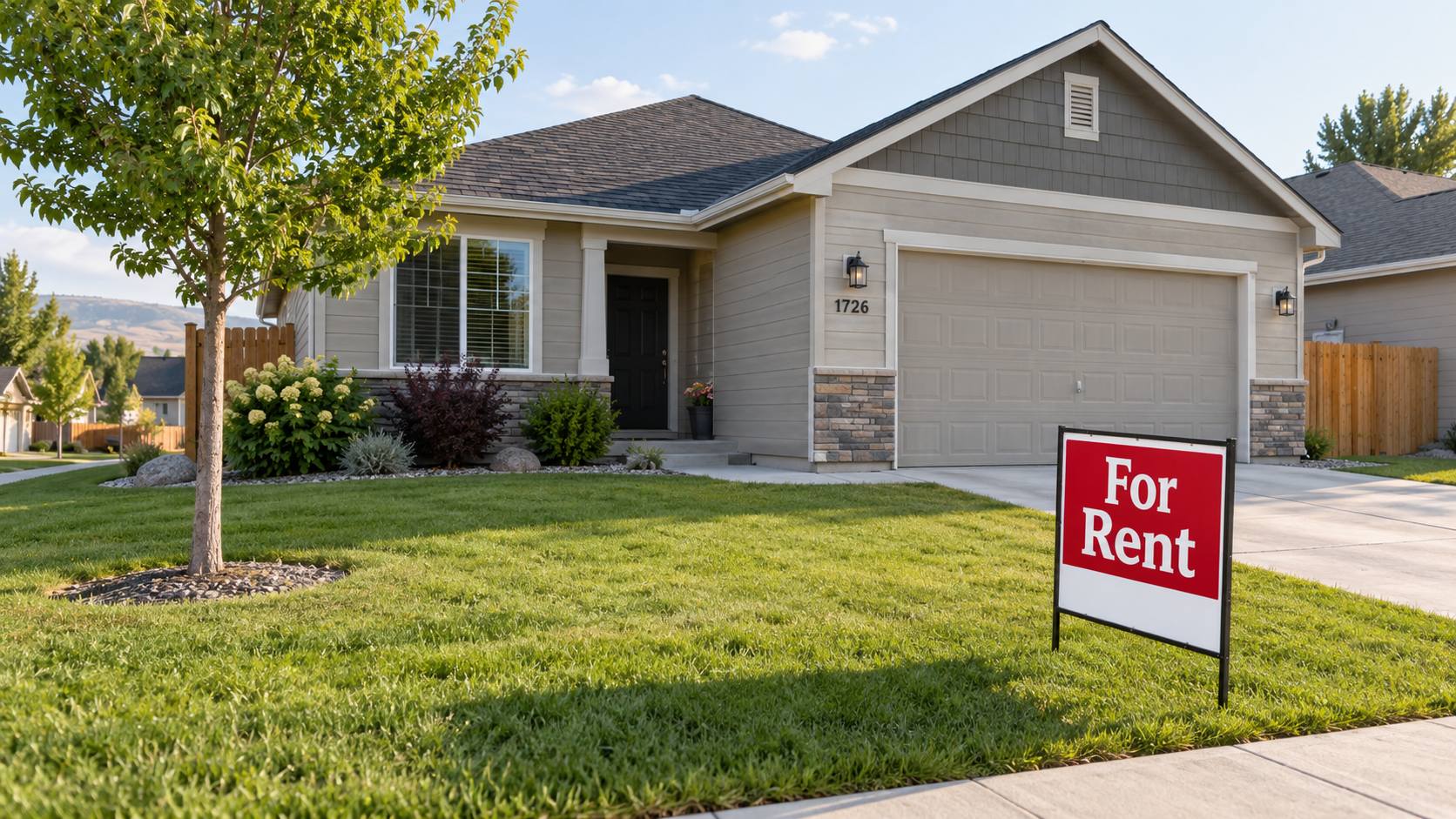
I bought a home as my primary residence. When I was ready to move, I didn't sell it. I kept it and turned it into a rental property.
You don't need to start with five properties. You need to start with one property that makes sense.
Why Start With a Primary Residence?
Financing a primary residence is generally more favorable than financing a property purchased strictly as an investment.
Depending on the buyer and loan program, an owner-occupied home may offer:
- Lower down payment options
- Lower mortgage rates than investment-property financing
- More financing programs to choose from
- Lower upfront costs than purchasing a traditional investment property
That can make getting started much more attainable, particularly for someone who doesn't have enough cash available for a large investment-property down payment.
There is an important distinction, though.
You must genuinely be buying the property to use as your primary residence.
Buying a property with owner-occupied financing while actually intending to use it as a rental from the beginning is an entirely different situation. Always be truthful about your occupancy intentions and talk with your lender about the requirements of your particular loan.
The Buy, Live, Keep and Repeat Strategy
The basic idea is surprisingly simple:
Buy → Live in it → Build equity and savings → Move → Keep it as a rental → Repeat
You buy a home that works for you now and live in it as your primary residence.
Over time, you save money, potentially build equity and prepare for your next purchase. When you're ready to move, instead of automatically selling the first house, you look at whether keeping it as a rental makes financial sense.
If it does, you keep it.
Then you purchase your next primary residence and repeat the process when you're financially ready.
This can be especially interesting for younger buyers who have more flexibility about where and how they live and have many years ahead of them to build a portfolio.
It isn't a get-rich-quick strategy. In fact, time is one of the things that can make the strategy work.
Consider Buying a Home That Could Work as a Future Rental
If building a rental portfolio is one of your long-term goals, I would look at your first home a little differently.
Instead of asking only:
"Is this the house I want to live in?"
also ask:
"Could this house make sense as a rental someday?"
That doesn't mean you should buy a house you don't like. You still have to live there.
But you might put more weight on things such as location, purchase price, layout, condition, maintenance requirements and the property's potential appeal to future tenants.
This is also where a modest starter home can make a lot of sense. You can also browse Nampa homes priced from $300,000 to $400,000 to see what is currently available at the more affordable end of the local market.
You don't necessarily have to buy at the top of what a lender says you can afford. A practical home with broad appeal may fit your life now while giving you more options later.
If you're considering this strategy, start by exploring homes for sale in Nampa and look at each property individually rather than assuming that every affordable house will make a good rental.
Another Option: Buy a Duplex and Live in One Side
A single-family home isn't the only way to get started.
Another option is purchasing a duplex, living in one unit and renting the other.
Depending on the property, your qualifications and the loan program, you may be able to purchase a qualifying multifamily property using owner-occupied financing while living in one of the units.
The rent from the other unit can help offset some of the costs of ownership, while you get your first experience as a landlord.
There are tradeoffs, of course.
Your tenant is also your neighbor. You may share walls, outdoor spaces or other parts of the property. And you're taking on landlord responsibilities immediately.
For the right person, though, it can be another way to start building a real estate portfolio without beginning with a traditional investment-property purchase.
Don't Become an Accidental Landlord
This is something I talk about with homeowners fairly often.
A homeowner bought several years ago at a low interest rate. Now they want to move, but when we discuss selling, they start thinking:
"My mortgage payment is so low. Maybe I should just keep this house and rent it."
Sometimes that is an excellent option.
Sometimes it isn't.
A low mortgage rate alone isn't a reason to become a landlord.
You should keep a property because you've looked at the numbers, understand the responsibilities and actually want to own rental property.
Landlording is not for the faint of heart.
Tenants call when things break. Appliances fail. Plumbing leaks. HVAC systems eventually need repairs or replacement. Properties sometimes sit vacant. And occasionally you will deal with a tenant situation that is far more difficult than you expected.
If you don't want to manage those responsibilities yourself, professional property management may be an option, but that expense needs to be part of your calculations.
I would much rather see someone become an intentional landlord than an accidental one.
Run the Numbers Before You Keep the House
Before deciding that your current home will become your first rental, figure out whether the property actually makes financial sense.
Don't simply compare your mortgage payment with the expected rent.
Consider the bigger picture, including:
- Mortgage payment
- Property taxes
- Homeowners or landlord insurance
- HOA dues, if applicable
- Routine maintenance
- Major future repairs and replacements
- Vacancy
- Property management, if you plan to use it
- Other costs associated with owning and operating the property
A month without a tenant doesn't mean the mortgage stops.
Neither does a broken water heater.
That's why I believe rental-property owners should have adequate financial reserves. How much you need will depend on the property and your financial situation, but you don't want one vacancy or major repair to put you in financial trouble.
Real Estate Is a Long-Term Investment
This part is important.
Property values don't go straight up.
Neither do rents.
Real estate markets fluctuate, and the Treasure Valley is no exception. A property may be worth less next year than it is today. There can also be periods when rents soften or it takes longer to find a tenant. If you're considering investing locally, follow our Nampa housing market reports to keep up with home prices, inventory, sales activity, and changing market conditions.
If your entire strategy depends on rapid appreciation, you are taking a significant risk.
I prefer looking at rental property as a long-term investment.
Over time, a rental property may provide several potential benefits, including rental income, principal reduction as the mortgage is paid down, and property appreciation.
None of those outcomes is guaranteed.
That's another reason I wouldn't buy a rental property based solely on what you think it will be worth two or three years from now.
Good Tenants Can Be More Valuable Than Maximum Rent
Once you own a rental, there is another number people tend to focus on too much:
the highest rent they can possibly charge.
Of course, you want a fair market rent and you need the property to make financial sense.
But maximizing the monthly rent isn't necessarily the same thing as maximizing your long-term return.
A good tenant who pays reliably, takes care of the property and stays for several years can be extremely valuable.
Every turnover can mean vacancy, cleaning, repairs, advertising, screening and time.
Sometimes accepting a reasonable rent and keeping an excellent tenant can produce a better long-term result than constantly pushing for the absolute highest rent the market might bear.
Screen Tenants Carefully and Follow Fair Housing Laws
Tenant selection is one of the most important parts of owning rental property.
Have a consistent screening process and establish your qualification criteria before choosing a tenant. Verify the information you're legally permitted to consider and apply your criteria consistently.
And, importantly, follow federal, state and local Fair Housing laws.
Being "picky" should mean having legitimate, consistent rental criteria. It should never mean choosing or rejecting tenants based on protected characteristics.
If you're unsure about your responsibilities, talk with a qualified property manager or attorney who works with Idaho landlords.
You Still Have to Qualify for the Next House
There's one more piece people sometimes overlook with the buy, live, keep and repeat strategy.
Keeping your current home doesn't automatically mean you'll qualify to purchase another one.
Your existing mortgage still matters.
A lender will look at your income, debts, credit, the existing property and other factors when determining whether you qualify for your next primary residence. There are also specific rules governing when and how projected or existing rental income can be considered.
That's why I recommend talking with a knowledgeable lender before deciding whether to sell your current home or convert it into a rental.
You want to know what is financially possible before making plans around the next purchase.
If you're still preparing for your first purchase, our Home Buyer's Course covers budgeting, timing and other important considerations before buying.
Building a Rental Portfolio One Property at a Time
You don't need to wake up one morning and decide you're going to become a major real estate investor.
Your portfolio might begin with one starter home.
You live there. You take care of it. You build savings and equity. Eventually, you move.
Instead of selling, perhaps that house becomes Rental #1.
Years later, there may be a Rental #2.
That's essentially how my own experience with rental property began. I didn't start by purchasing a portfolio. I started with one home.
And I think that's what makes this strategy worth considering.
You don't have to start big.
You just have to start thoughtfully.
Frequently Asked Questions About Building a Rental Portfolio
Can I turn my primary residence into a rental later?
Yes. Many homeowners eventually convert a primary residence into a rental. Before doing so, check your mortgage requirements, insurance coverage, HOA rules if applicable, and local requirements. Your original intent to occupy the home as your primary residence must have been genuine.
Can I buy another primary residence and keep my current home as a rental?
Potentially, yes. You'll still need to qualify for the new mortgage. Your lender will determine how your existing mortgage and any potential rental income factor into qualifying for your next home.
Is it better to buy a starter home or a duplex?
Either can work. A starter home may offer a simpler path, while a duplex can allow you to live in one unit and rent out the other. The better choice depends on your budget, lifestyle, financing options, and comfort with becoming a landlord.
Do I need 20% down to start building a rental portfolio?
Not necessarily. If you're genuinely purchasing a home as your primary residence, owner-occupied loan programs may offer lower down payment options and more favorable financing than an investment-property loan. Requirements vary by loan program, so talk with your lender about your options.
How much should I keep in reserves for a rental property?
There's no one-size-fits-all amount. Your reserves should be enough to help cover vacancies, repairs, routine maintenance, insurance, taxes, and unexpected expenses. It's better to run your numbers conservatively rather than assume the property will be occupied and problem-free every month.
Should I keep my house as a rental just because I have a low mortgage rate?
Not automatically. A low mortgage rate can certainly make keeping the property more attractive, but the numbers still need to work. Just as importantly, ask yourself whether you actually want to be a landlord. A favorable mortgage doesn't eliminate the responsibilities that come with owning a rental.
Is being a landlord passive income?
Not completely. A rental property can generate income, but landlords still deal with maintenance, repairs, vacancies, tenant communication, bookkeeping, and other responsibilities. A property manager can handle many day-to-day tasks, but management also comes at a cost.
Should I always charge the highest rent possible?
Not necessarily. A reliable tenant who pays on time, takes care of the property, and stays longer can be more valuable than squeezing every possible dollar out of the monthly rent. Vacancy and turnover have costs too, so think about the property's long-term performance rather than rent alone.
What should I look for in a home that could become a rental later?
Consider the location, purchase price, layout, condition, maintenance needs, and potential appeal to future tenants. A practical home with broad appeal may make a better future rental than a property with expensive features or unusual characteristics.
Is real estate a good long-term wealth-building strategy?
Real estate can be a powerful long-term wealth-building tool, but there are no guarantees. Property values and rents fluctuate, and ownership comes with expenses and risks. Buying carefully, maintaining adequate reserves, managing the property responsibly, and taking a long-term approach can help put you in a stronger position.
Thinking About Building a Rental Portfolio in Nampa or the Treasure Valley?
If owning rental properties is part of your long-term plan, it can be helpful to think about that goal before you purchase your next home.
Isaac and I can help you evaluate homes in Nampa and throughout the Treasure Valley from both perspectives: Does this property work for the way you want to live today, and could it potentially make sense as a rental later?
Every situation is different, and not every home should become a rental. But choosing the right property from the beginning can give you more options down the road.
Ready to start looking? Contact Top Idaho Real Estate to talk about your plans.

Enjoy this blog post? Click here to subscribe for updates
Leave A Comment