
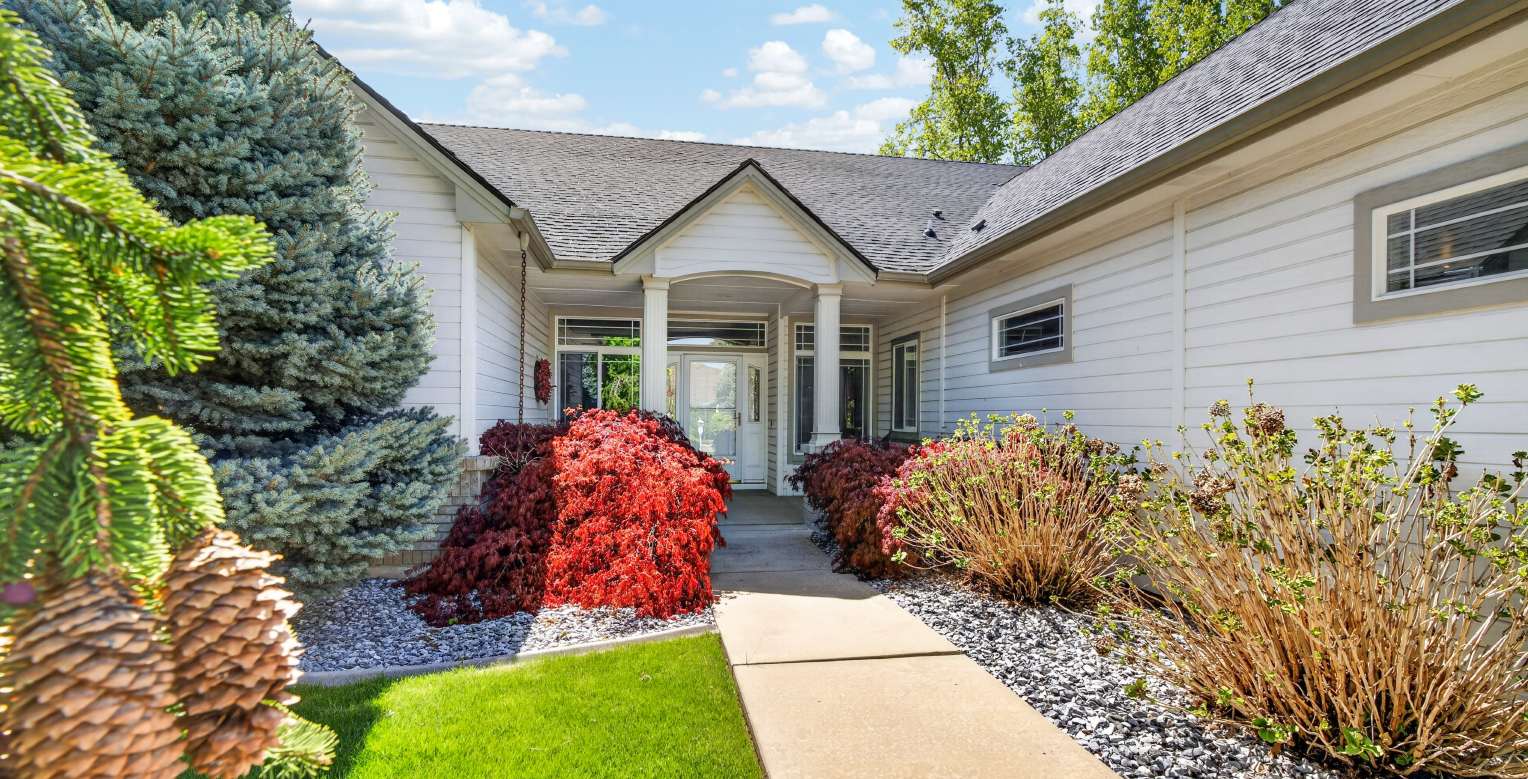
One of the most important decisions you'll make when selling your home is choosing the right asking price.
Price it too low, and you may leave money on the table. Price it too high, and your home could sit on the market while buyers purchase competing properties instead.
After more than 20 years of helping Treasure Valley homeowners sell their properties, I've found that accurate pricing is both an art and a science. It requires understanding market data, buyer behavior, and the unique features of your home.
How I Determine a Home's Value in Nampa
When pricing a home, I start by looking at recently sold properties that are similar to the subject property.
Ideally, I want to find homes that:
- Sold within the last 3 to 6 months
- Are located in the same subdivision
- Are within approximately a half-mile to one-mile radius
- Have similar size, age, and features
The most important data comes from sold homes because those properties show what buyers were actually willing to pay.
I also look at homes currently under contract and homes that are actively for sale.
Why Sold Homes Matter Most
Appraisers rely heavily on sold comparable sales, and so do I.
Pending sales can provide clues about current buyer demand because we know a buyer was willing to make an offer. However, we typically don't know the final contract price until the sale closes.
Active listings are important because they represent your competition. Buyers will compare your home to every similar home currently available. However, active listings can sometimes be overpriced, so they should not be used as the primary basis for determining value.
The goal is to use sold homes to justify the asking price while using active listings to position your home competitively in the marketplace.
The Biggest Pricing Mistake Sellers Make
One of the most common mistakes I see is pricing a home too high with the intention of "leaving room to negotiate."
The problem is that buyers are smart.
When buyers search for homes online, they compare properties side by side. If your home is overpriced, many buyers will simply skip it and focus on homes that are already priced appropriately.
You cannot negotiate with buyers who never schedule a showing.
Why the First Few Weeks Matter Most
Most homes receive the greatest amount of exposure and buyer interest when they first hit the market.
That's when:
- New listing alerts go out
- Buyers are excited to see the property
- Agents are sharing new inventory with clients
- The home feels fresh and desirable
As time passes, interest often declines. Buyers begin wondering why the property hasn't sold.
I've seen situations where sellers eventually reduced the price and ultimately sold for less than they likely would have received had they priced the home correctly from the beginning.
A Real Example From My Experience
I recently worked with a seller whose home's value was approximately between $600,000 and $610,000.
Instead of pricing the property at the very top of the range or above market value, I recommended listing it at $600,000.
My reasoning was simple: attract as many qualified buyers as possible and create competition.
The strategy worked.
The home generated strong interest, received multiple offers, and ultimately sold for $615,000.
Many sellers assume a higher list price leads to a higher sales price. In reality, pricing strategically often creates the conditions that produce the strongest offers.
What Factors Affect Value the Most?
Many homeowners assume two homes in the same neighborhood should be worth roughly the same amount.
In reality, small differences can have a significant impact on value.
Location Still Matters
There is a reason people say "location, location, location."
One factor buyers consistently dislike is a busy road.
Unlike paint colors or flooring, location cannot be changed.
Even if traffic doesn't bother you personally, it may affect future buyers when it comes time to sell. That's why I always encourage buyers to think about resale value before purchasing a property.
Privacy Is Highly Desirable
Many buyers are willing to pay more for privacy.
Features that can increase buyer appeal include:
- No backyard neighbors
- Larger lots
- Well-designed landscaping
- Private outdoor living spaces
At the same time, buyers often appreciate properties that are easy to maintain.
The Hidden Factor That Can Hurt Value
Most sellers focus on what buyers will see.
In my experience, buyers often react first to what they smell.
A pleasant scent can create positive feelings and memories. On the other hand, smoke odors, pet odors, mildew, or other unpleasant smells can immediately turn buyers away.
I've seen buyers lose interest in a home within minutes because of odor issues.
One mistake I recommend avoiding is using incense or heavy fragrances before showings. Many buyers assume strong scents are being used to cover up an underlying problem.
If there is an odor issue, addressing the source is almost always better than trying to mask it.
What Improvements Are Worth Making Before Selling?
Not every improvement provides a good return on investment.
In many cases, the most effective updates are also among the least expensive.
Paint and Flooring Often Provide the Best Return
Fresh paint and updated flooring can dramatically improve a home's appearance without requiring a massive investment.
These updates often help a property:
- Show better
- Photograph better
- Appeal to more buyers
- Sell faster
Small Updates Can Make a Big Difference
Other relatively inexpensive improvements include:
- Updating light fixtures
- Replacing outdated hardware
- Improving curb appeal
- Deep cleaning the home
These changes can make a property feel more current without spending tens of thousands of dollars.
Sometimes Remodeling Doesn't Make Sense
Every home is different.
I've advised sellers not to complete certain remodeling projects when the expected return simply wasn't there.
For example, one homeowner wanted to replace the vanity and bathtub in the primary bathroom. While the finishes weren't the newest styles available, they also weren't severely outdated.
In that situation, spending thousands of dollars on a remodel was unlikely to produce a meaningful increase in value.
Sometimes the better decision is to leave something alone.
When Selling As-Is Can Be the Right Choice
There are situations where I recommend selling a property as-is.
This is especially true when a home has significant deferred maintenance or lacks updates throughout the property.
At some point, it becomes difficult to determine where repairs should stop.
A seller might spend substantial money making improvements without recovering that investment at closing.
In those situations, it can be more effective to price the home appropriately and allow buyers to make their own improvements after purchase.
My Most Important Advice for Nampa Home Sellers
If I could give every seller one piece of advice, it would be this:
Stop looking at the property as your home and start looking at it as a product for sale.
Your home may hold years of memories, milestones, celebrations, and personal meaning. Those memories are valuable to you, but buyers do not pay for memories.
Buyers evaluate condition, location, features, competition, and value.
The more objectively you can view your property, the easier it becomes to make smart pricing decisions that attract buyers and maximize your final sales price.
Final Thoughts
Accurately pricing a home in Nampa is about more than choosing a number.
It requires understanding recent sales, evaluating current competition, recognizing what buyers value, and being honest about the property's strengths and weaknesses.
The right price attracts buyers, creates interest, and often leads to stronger offers.
The wrong price can cost a seller valuable time and money.
If you're considering selling your home and would like a professional opinion on its current market value, I'd be happy to help.
Frequently Asked Questions About Pricing a Home for Sale
If you're thinking about selling your home, you likely have questions about pricing, comparable sales, home improvements, and what buyers are looking for. Here are answers to some of the most common questions I hear from home sellers in Nampa and throughout the Treasure Valley.
How Is My Home's Value Determined?
A home's value is typically determined by comparing it to recently sold homes with similar size, condition, age, features, and location. When pricing a home, I generally look at comparable sales from the past three to six months, ideally within the same subdivision or within about a half-mile to one-mile radius. Active listings and pending sales are also important, but sold homes carry the most weight because they show what buyers were actually willing to pay.
Should I Price My Home Higher to Leave Room for Negotiation?
In most cases, no. One of the biggest mistakes sellers make is overpricing their home in hopes of having room to negotiate later. Buyers compare homes online and often skip properties that appear overpriced. If buyers never schedule a showing, there is nobody to negotiate with. Homes receive the most attention when they first hit the market, and overpricing can cause a home to sit longer and eventually sell for less than it would have if priced correctly from the start.
How Much Do Location and Busy Roads Affect a Home's Value?
Location is one of the most important factors affecting a home's value. Homes on busy roads often appeal to fewer buyers and may sell for less than similar homes located on quieter streets. Unlike paint colors or flooring, location cannot be changed. Even if traffic does not bother you personally, it may affect future buyers when it comes time to sell.
Do Smells Affect a Home's Value and Marketability?
Absolutely. Buyers often react to smells before they notice many of a home's visual features. Smoke odors, pet odors, mildew, and other unpleasant smells can quickly turn buyers away. While pleasant scents can create a positive impression, I do not recommend using incense or strong fragrances because buyers may assume you are trying to hide a problem. Addressing the source of an odor is usually the best solution.
What Home Improvements Provide the Best Return Before Selling?
Fresh paint and updated flooring often provide some of the best returns on investment when preparing a home for sale. These improvements are relatively affordable compared to major remodeling projects and can significantly improve a home's appearance. Updating light fixtures, cabinet hardware, and other small details can also help make a home feel more modern and appealing to buyers.
Should I Remodel My Bathroom or Kitchen Before Selling?
Not necessarily. Every situation is different. I have advised sellers against remodeling projects when the expected return did not justify the cost. For example, if a bathroom is functional and only slightly dated, spending thousands of dollars replacing a vanity or bathtub may not significantly increase the home's value. Before investing in major updates, it is important to evaluate whether buyers are likely to pay enough extra to recover the cost of the project.
When Does It Make Sense to Sell a Home As-Is?
Selling as-is can make sense when a home has extensive deferred maintenance, outdated features throughout, or needs more work than is practical to complete before listing. In some cases, it becomes difficult to determine where repairs should stop, and sellers can end up spending money that they may never recover. Properly pricing an as-is property often makes more financial sense than completing a long list of expensive improvements.
How Far Back Should Comparable Sales Go When Pricing a Home?
In most situations, comparable sales from the last three to six months provide the most accurate picture of current market value. In a rapidly changing market, more recent sales may be more relevant. The goal is to use the most current and most similar sales available to determine a realistic asking price.
Why Are Active Listings Important When Determining a Home's Price?
Active listings represent your competition. Buyers will compare your home to every similar property currently on the market. While active listings do not show what buyers are actually paying, they help determine how your home should be positioned against competing properties. A successful pricing strategy uses sold homes to justify value and active listings to remain competitive.
What Is the Biggest Mistake Home Sellers Make When Pricing Their Property?
The biggest mistake is allowing emotions to influence pricing decisions. Sellers often have years of memories and personal attachment to their homes, but buyers evaluate the property based on value, condition, location, and competition. To price a home accurately, it is important to view it as a product for sale rather than focusing on the memories associated with it.

Enjoy this blog post? Click here to subscribe for updates
Leave A Comment